" height="19.593489627012634px" id="HZMnoshln" transform="translate(35.667 1.777)" width="65.54152709402429px"/><path d="M 0 0.017 C 2.315 0.103 4.878 -0.071 7.193 0.036 C 7.468 0.279 12.481 5.793 12.556 5.958 C 11.717 6.005 10.736 5.956 9.888 5.958 C 8.409 5.961 6.923 5.977 5.446 5.957 C 4.793 5.44 4.259 4.69 3.684 4.077 L 1.651 1.879 C 1.049 1.235 0.525 0.741 0 0.017 Z" fill="rgb(12, 241, 145)" height="5.978734113643265px" id="B_ZyWaY8J" transform="translate(12.847 17.922)" width="12.556331656472807px"/><path d="M 18.85 0 L 25.936 0 C 24.823 1.198 23.694 2.514 22.583 3.726 L 11.098 16.3 L 7.002 20.802 C 6.307 21.56 5.61 22.392 4.847 23.07 C 3.802 23.997 1.958 23.832 0.982 22.861 C 0.429 22.31 0.203 21.736 0 20.995 L 0 4.033 C 0.736 4.729 1.513 5.612 2.204 6.369 L 5.127 9.559 C 5.157 10.119 5.127 10.896 5.126 11.475 C 5.128 12.703 5.12 13.932 5.101 15.16 C 5.602 14.614 6.075 14.035 6.574 13.485 L 11.831 7.736 C 14.119 5.193 16.502 2.478 18.85 0 Z M 60.302 6.916 C 61.496 6.907 62.723 6.937 63.927 6.935 C 62.687 10.72 61.245 14.453 59.866 18.186 C 59.324 19.656 58.713 21.843 58.009 23.157 C 57.54 24.036 56.936 24.913 56.037 25.37 C 55.493 25.647 54.887 25.798 54.297 25.935 L 52.098 25.935 C 51.91 25.715 52.001 23.361 51.992 22.874 C 54.16 22.932 54.67 22.721 55.309 20.461 L 52.023 11.377 C 51.506 9.944 50.881 8.391 50.444 6.937 C 51.689 6.941 52.935 6.933 54.181 6.913 C 54.393 7.343 54.775 8.624 54.941 9.14 C 55.392 10.543 55.864 11.949 56.361 13.336 C 56.62 14.057 56.993 15.495 57.285 16.127 C 57.802 14.421 58.424 12.752 58.95 11.029 C 59.213 10.164 59.955 7.668 60.302 6.917 Z" fill="rgb(255, 255, 255)" height="25.9350729038176px" id="RJr52Ozxy" width="63.92682320478577px"/></g></svg>)
Guides and Reports
Beneficial Ownership Registers in the EU: Which Registers Can You Access?
Author
The Kyckr Team
Updated
The European Commission’s 6th Anti-Money Laundering Directive (6AMLD) was supposed to open formerly restricted EU beneficial ownership registers to “persons with a legitimate interest”. By 10 July 2026, all categories of persons with a legitimate interest should be able to access beneficial ownership information upon request.
According to Kyckr’s research, 23 out of 27 Member States have made it lawful for such persons to access beneficial ownership registries. However, only 44.4% of registries are, in practice, accessible to the category of persons laid out in the Directive: third-country journalists, researchers, and obliged entities. The rest are only accessible to EU residents, national residents, competent authorities and obliged entities, or are suspended until further notice.
What is legitimate interest under EU law?
Article 12 of AMLD6 (Directive (EU) 2024/1640) guarantees access to beneficial ownership information to "any natural or legal person that can demonstrate a legitimate interest in the prevention and combating of money laundering, its predicate offences and terrorist financing.”
Who has a legitimate interest?
According to Article 12, any person or company involved in the fight against money laundering has a legitimate interest, including:
Journalists, academics, and civil society.
Anyone about to “enter into a transaction with a legal entity” fulfilling AML obligations.
“Entities subject to AML/CFT requirements in third countries, provided they can demonstrate the need to access the information. That is, if they are verifying a potential customer during onboarding.
Third country competent authorities, if they are fulfilling AML obligations towards a legal entity or legal arrangement.
Providers of AML/CFT products, so long as the products "are provided only to customers that are obliged entities or competent authorities” fulfilling their AML obligations.
Member state registers and public authorities.
Anyone else who can demonstrate a legitimate interest – but on a case-by-case basis.
Who can access European beneficial ownership information?
Kyckr’s research suggests that 23 out of 27 member states have enacted legitimate interest access frameworks. But in practice, accessibility varies significantly.
Three registers have not legislated to restrict information to persons with a legitimate interest; two remain publicly accessible to anyone, anywhere, and one is, in practice, gated to EU residents.
Twenty-three are legally open to those with a legitimate interest, but in practice:
Nine are only open to EU citizens.
Just eight are available to all categories of persons with a legitimate interest.
Two are only open to citizens of those member states.
One doesn’t have an operational route.
Two remain public in practice.
One is suspended.
One register remains restricted to national obliged entities and competent authorities.
What this means in practice: Anyone outside the EU can operationally access 12 of the EU’s twenty-seven beneficial ownership registers.
Methodology
We tested EU beneficial ownership registers based on two metrics:
Has the Member State enacted legislation to enable persons with a legitimate interest to access UBO disclosures or data?
Can those persons with a legitimate interest access that information in practice?
We tested these registers between 23 July and 20 August 2026, categorising them into seven tiers based on who can access them, as opposed to the legislation enacted by their Member States. “Tier 1” registers are the most accessible, while Tier 7 registers are the least.
We conducted this research as a member of the public, living in Britain.
Please note that these findings are time-dependent. As stated below, several Member States have already begun to draft legislation. Others have passed legislation but haven’t yet built operational routes.
The situation will change.
Level 1. Anyone can search.
Latvia
What the law says: UBO data remains public.
In practice: Mostly public, but Latvian or EU credentials required for documents and historical data.
Latvia kept its register open after the 2022 ruling and has not enacted legislation to restrict access.
The Kyckr team accessed Latvia's beneficial ownership registry on 31 July 2026. It returned data on the UBO’s name, country of residence, and share size.
To access documents and historical data, we were asked to log in via Latvian or EU-recognised credentials.
Estonia
What the law says: Access restricted to persons with a legitimate interest.
In practice: Access remains public.
Estonia moved to restrict access to beneficial ownership information, providing both portal and API access to its e-Business register and the UBO data on it, to those with a legitimate interest. But this was postponed by the Ministry of Finance in July 2026.
Access remains public. The Kyckr team accessed the register on 20 August 2026, finding names, personal identification codes, manner of control, and start date, though share sizes were limited to the shareholder data also available on the e-Register.
Bulgaria
What the law says: Recognises legitimate interest.
In practice: Most UBO data is public, but sensitive detail is gated to EU or Bulgarian citizens.
Bulgaria amended its Measures Against Money Laundering Act in July 2025 to restrict access to obliged entities, competent authorities, and persons with a legitimate interest. However, most of the register remains public.
On 23 July 2026, the Kyckr team accessed UBO data (names, percentages, countries of residence). To access certified documents, residential addresses, and identification numbers, we had to be authenticated via a “Qualified Electronic Signature” recognised under eIDAS, a Personal Identification Code issued to Bulgarian residents, or a physical Registry Agency certificate obtained in person.
Poland
What the law says: A draft amendment restricts UBO data to persons with a legitimate interest. Not yet in force.
In practice: Access remains fully public.
The Polish government drafted an amendment to the Act on Counteracting Money Laundering and Terrorist Financing, restricting access to its register to obliged entities, competent authorities, and persons with a legitimate interest. It was scheduled to come into force on 1 July 2026 but hasn’t yet, and the register remains public.
The Kyckr team accessed Poland’s beneficial ownership register on 5 August 2026. It still functions, returning data on the UBO’s name, share size, country of residence, citizenship, PESEL number, and privileges.
Level 2. You can get in, but you must ask first.
You must prove your interest, get a certificate and pay a fee; then the data is yours. These countries offer a working route for all persons with a legitimate interest.
Denmark
What the law says: Access restricted to persons with a legitimate interest.
In practice: Applicants may apply via email.
Since 1 September 2025, Denmark has restricted access to beneficial ownership data under 18a–d of the CVR (Central Business Register) Act, with access limited to competent authorities, obliged entities, and persons with a legitimate interest. This includes journalists, civil society, and third-country obliged entities.
The register sits within the CVR, with data available by web and API, but online access requires MitID authentication, which non-residents generally cannot obtain. Foreign applicants must request access from the Danish Business Authority by email.
France
What the law says: Access restricted to persons with a legitimate interest.
In practice: Applicants request via certificate.
France restricted access to its register on 31 July 2024 to competent authorities, obliged entities, and persons demonstrating a legitimate interest.
Once recognising a person’s legitimate interest, the INPI issues them with a three-year access certificate, providing UBO data via API or disclosure.
Germany
What the law says: Access restricted to persons with a legitimate interest.
In practice: Access provided on a case-by-case basis.
Germany restricted public access on 22 November 2022, on the day of the ruling. By March 2023, it had already provided lawful access to the Transparenzregister to persons with a legitimate interest, providing access on a case-by-case basis.
Data is now available via the register and an API to qualifying users, but access is gated on legitimate interest.
Finland
What the law says: Access restricted to persons with a legitimate interest.
In practice: Access provided on a case-by-case basis or via API.
Finland makes UBO data available to authorities, obliged entities, and to persons who can prove a legitimate interest.
Data is obtained via API or as a beneficial-owner extract. Ongoing access as a "contract customer" requires a contract with the register.
Malta
What the law says: Access restricted to persons with a legitimate interest.
In practice: Access provided on a case-by-case basis.
Malta restricted access to its register in November 2022, introducing a route for persons with a legitimate interest on 9 July 2025.
According to Malta’s LN 184/2026 (Regulation 7B), once such a legitimate interest is proven, the person will be granted “repeated access” via a three-year certificate.
Hungary
What the law says: Access restricted to persons with a legitimate interest.
In practice: Access provided on a case-by-case basis.
On 9 June 2026, the government submitted Bill T/174, an anti-corruption package that aimed, among other things, to provide a framework for legitimate interest access to its beneficial ownership register. It was approved on 23 June 2026 and is in force.
The law states that any third party may obtain the data if they pay the fee and justify their purpose as connected to AML or CTF. They are given access on a case-by-case basis only, with no API or searchable portal to speak of.
Czechia
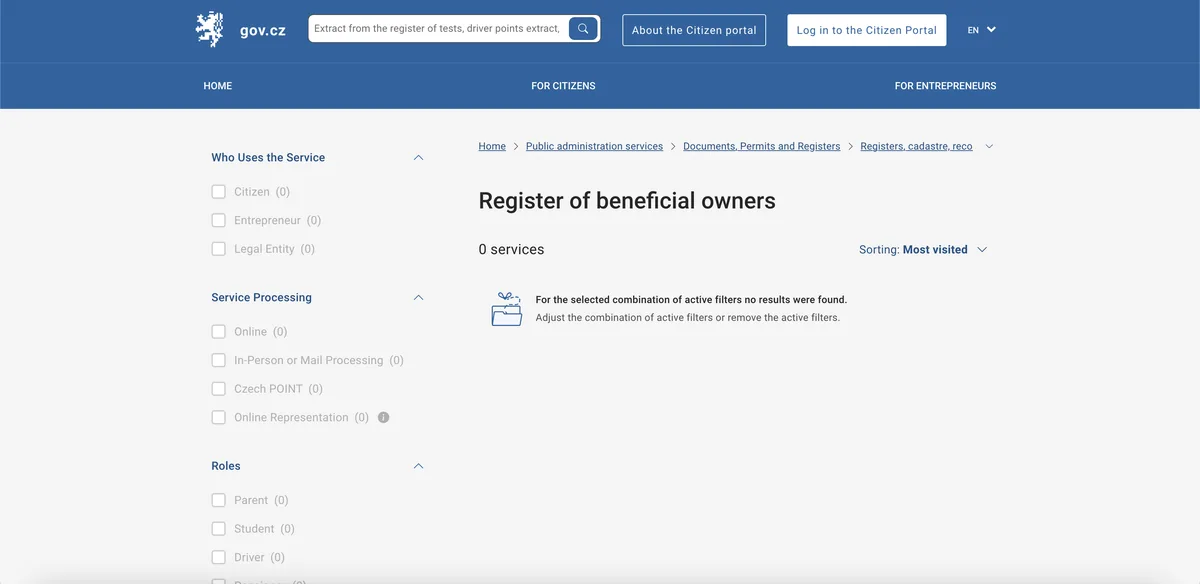
What the law says: Access restricted to persons with a legitimate interest.
In practice: No functional register, with access provided via a court-proven order.
Czechia’s formerly public register has been suspended since 17 December 2025.
We tried accessing it on 6 August 2026, but the portal cannot be accessed online anymore, returning “For this category, no results were found.”
The government set up a new automated system to give obliged entities and competent authorities remote access, as of 27 November 2025, and limited access for persons with a legitimate interest.
As of today, the public can submit a request for UBO information to a regional court.
Ireland
What the law says: Access restricted to persons with a legitimate interest.
In practice: Access provided on a case-by-case basis.
On 13 August 2026, Ireland announced new legislation to introduce new access routes to its beneficial ownership register, which was difficult to access, with no such request accepted in 2024.
Going forward, Ireland will recognise the legitimate interest of journalists, researchers, and third-country obliged entities.
Upon verifying a person's legitimate interest, the RBO will issue a 3-year certificate within 12 days or, in the case of a high volume of requests, this will be extended by another 12 days.
Level 3. The law lets you in, but only if you’re an EU resident.
You need an EU or national e-ID that a non-EU firm cannot get, regardless of whether you have a legitimate interest.
Croatia
What the law says: Access remains public.
In practice: Access gated to Croatian and EU residents.
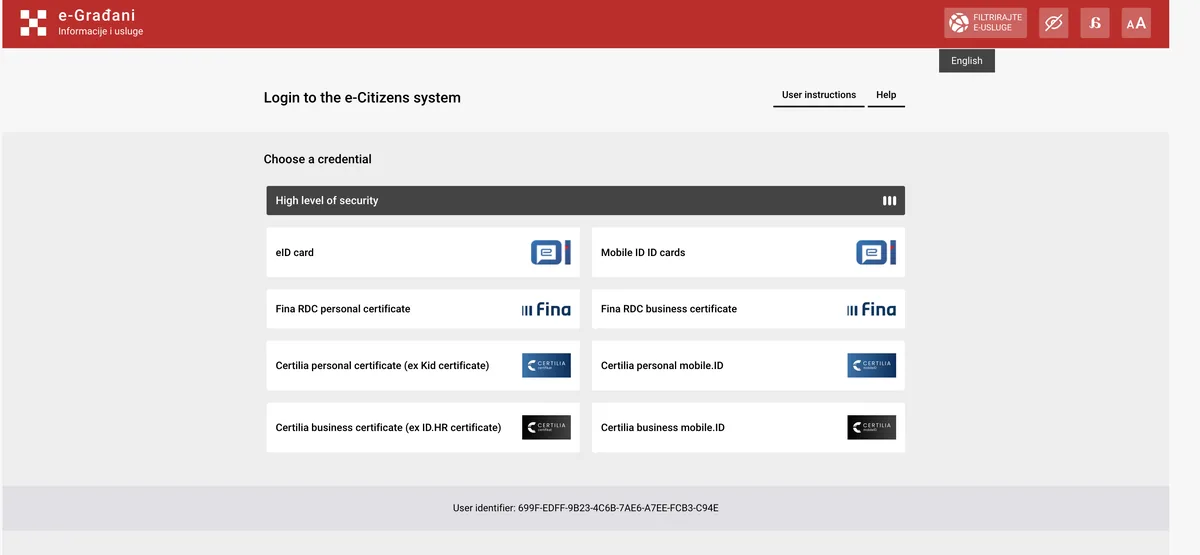
Croatia hasn’t introduced legislation to restrict public access to its UBO register.
In practice, however, access is gated to Croatian and EU residents. The register requires authentication via a national identification certificate (NIAS), which only Croatian residents possess. Alternatively, foreigners can apply for an e-ID recognised under eIDAS.
Luxembourg
What the law says: Access restricted to persons with a legitimate interest.
In practice: Access gated to EU residents.
Luxembourg amended its RBE Law, which has been in force since 1 February 2025, restricting access to obliged entities, competent authorities, and persons with a legitimate interest.
The Kyckr team tried accessing Luxembourg’s beneficial ownership register on 5 August 2026, but we were told, “To view the beneficial owners, you have to be signed in using a LuxTrust or eIDAS electronic certificate.”
Austria
What the law says: Access restricted to persons with a legitimate interest.
In practice: Access gated to EU residents.
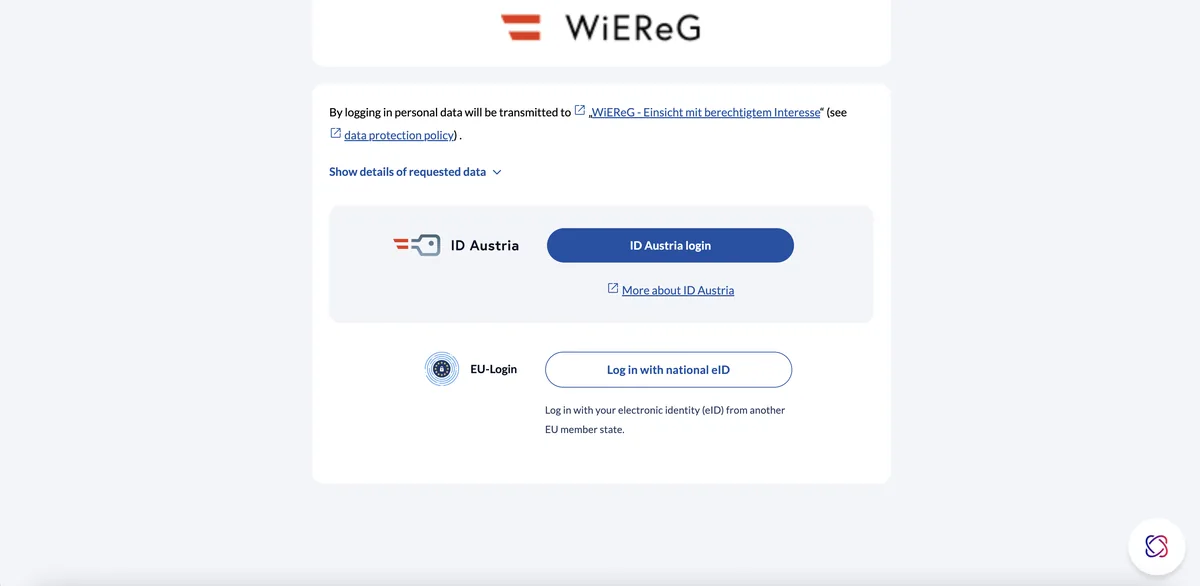
Austria’s Finance Ministry clarified its legitimate interest access framework on 1 August 2026, including for third-country obliged entities, journalists, and providers of AML products.
Information is provided on a case-by-case basis, and there is no API available. The Kyckr team tried to access the register on 5 August 2026. We found that requesting UBO information via the application required an Austrian or EU ID.
Sweden
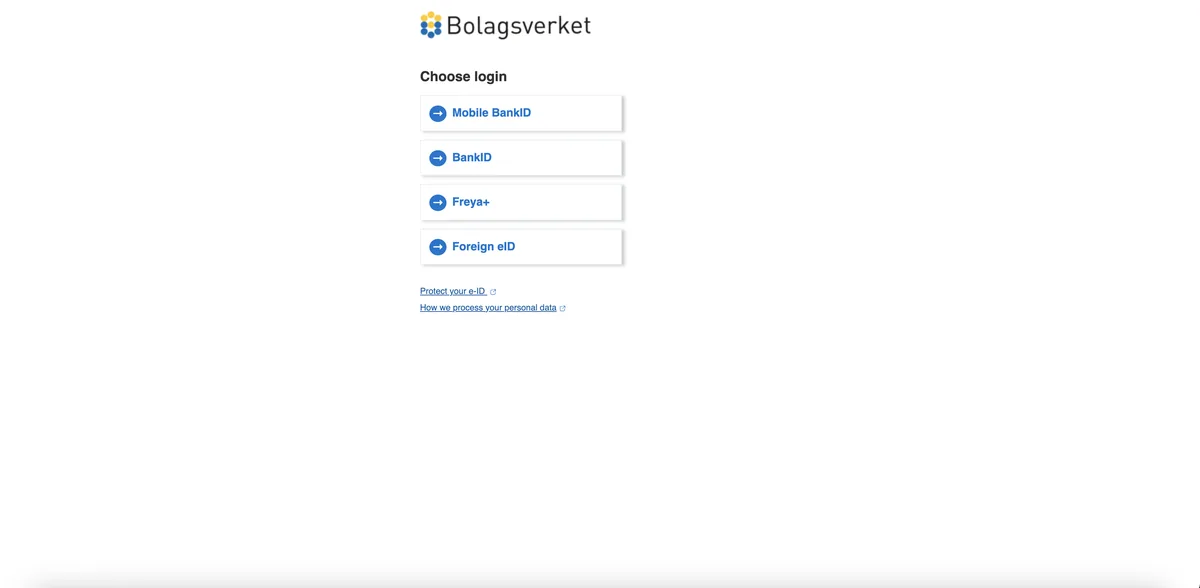
What the law says: Access restricted to persons with a legitimate interest.
In practice: Access gated to EU citizens.
On 1 July 2026, Sweden limited access to its beneficial ownership register to those with a legitimate interest.
Such persons can request information on a case-by-case basis.
The Kyckr team tried to access it on 6 August 2026, but we were required to apply using a Swedish or EU-recognised electronic credential. However, we could purchase and order beneficial ownership certificates from the Bolagsverket, owing, perhaps, to a glitch in the system during its transition.
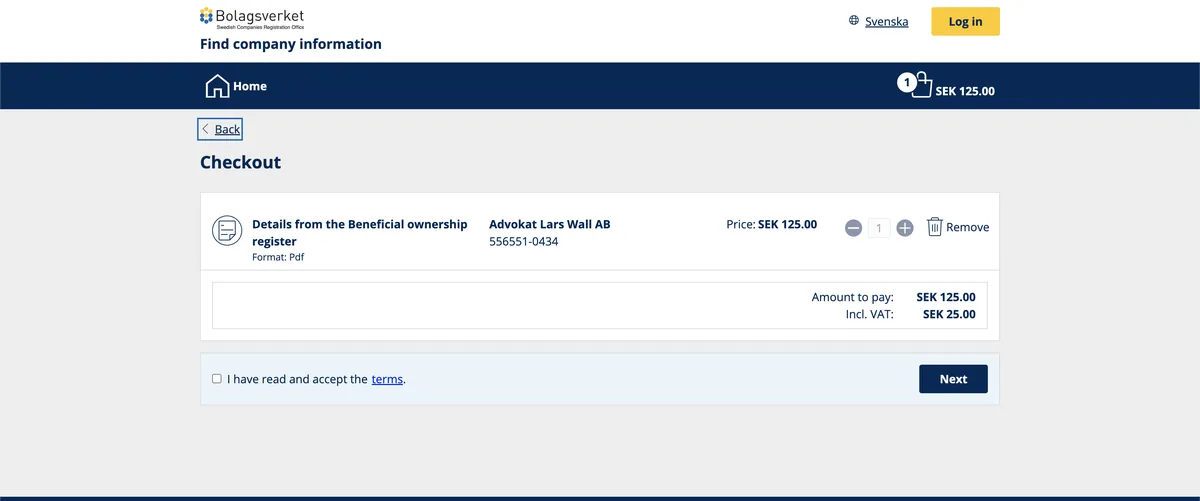
According to our conversations with the registrar, they will provide access to an API soon, but only to Swedish residents.
Spain
What the law says: Access restricted to persons with a legitimate interest.
In practice: Access gated to EU residents.
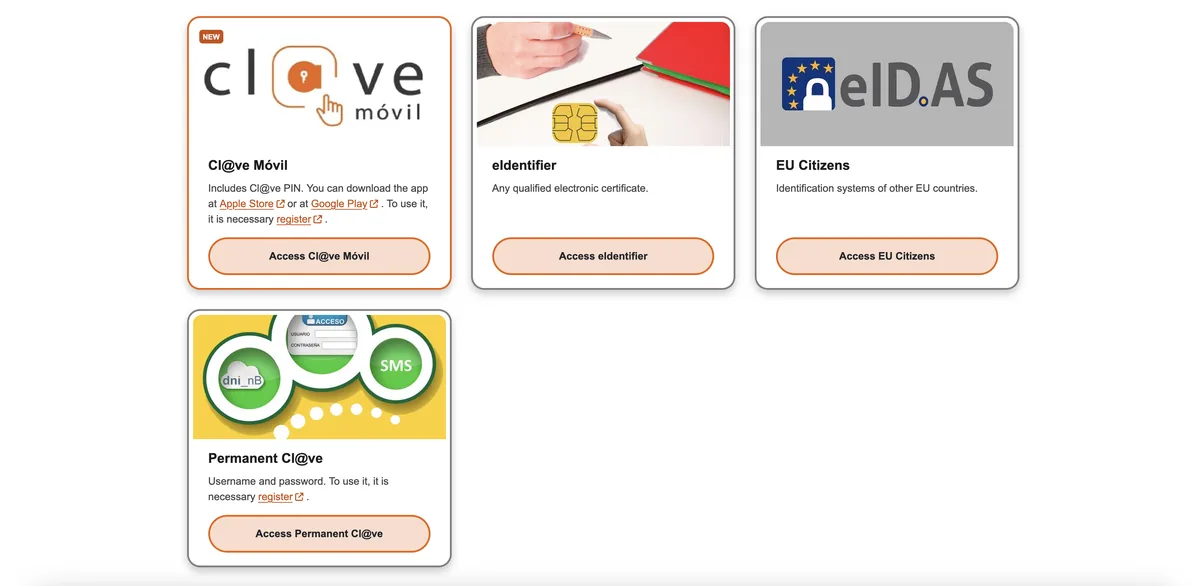
Spanish legislation states that “Any person or organization that can demonstrate a legitimate interest in knowing this information may access the information relating to the beneficial ownership of the entities.” However, in practice, it is restricted to EU citizens.
Kyckr team tried accessing Spain’s register on 5 August 2026 via the legitimate interest route, but all options required a Spanish-recognised electronic credential. Spain doesn’t recognise British e-credentials, meaning we were locked out.
Belgium
What the law says: Access restricted to persons with a legitimate interest.
In practice: Access gated to EU residents.
Belgium restricted access to its register in November 2022, immediately following the court ruling. The government introduced a legitimate-interest route in December 2025. However, Article 10 of the royal decree only permits one-off, entity-by-entity requests, with no bulk or API access available.
The Kyckr team tried to access the register on 6 August 2026 by proving our legitimate interest; however, we were asked to do so using EU or Belgian e-credentials.
Slovenia
What the law says: Access restricted to persons with a legitimate interest.
In practice: Access gated to EU citizens.
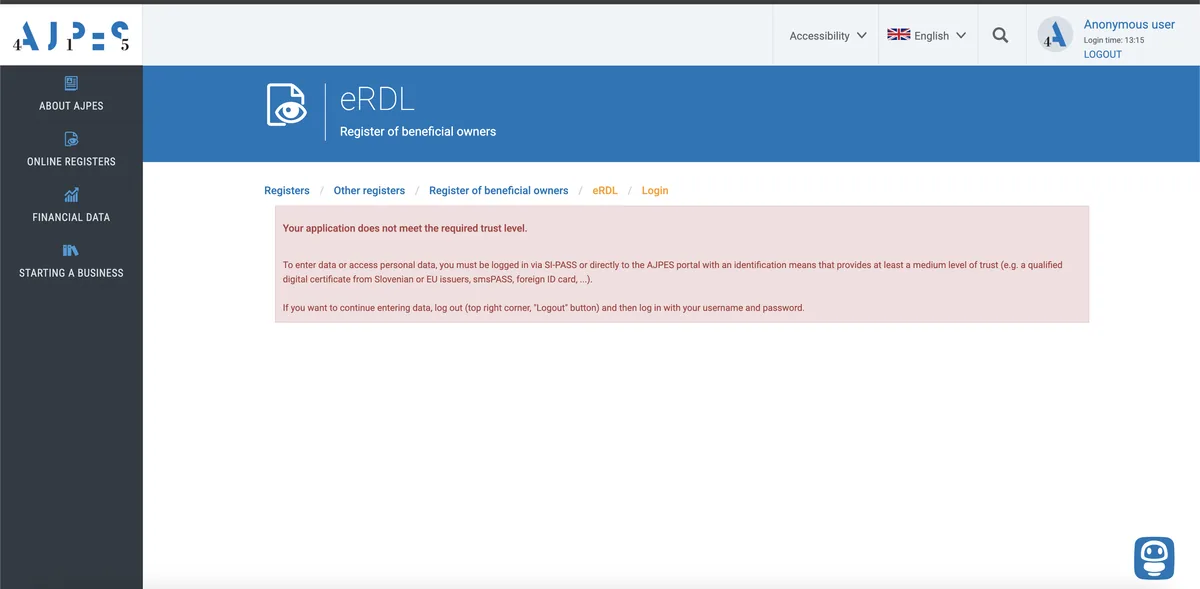
Slovenia amended its AML framework in August 2025, introducing access via legitimate interest.
However, when the Kyckr team tried to access Slovenia’s register, we were asked to authenticate ourselves using national credentials (SI-PASS) or EU credentials.
Romania
What the law says: Access restricted to persons with a legitimate interest.
In practice: Access gated to EU residents.
On 22 July 2025, the Romanian government put forward legislation to limit UBO information. ONRC's own site shows LI-gated access is already operative following Law no. 86/2025, via registration and the payment of a fee.
The Kyckr team tried to access the beneficial ownership register on 6 August 2026. Access is only available to anyone with an eIDAS-qualified signature.
Lithuania
What the law says: Access restricted to persons with a legitimate interest.
In practice: Access gated to EU residents.
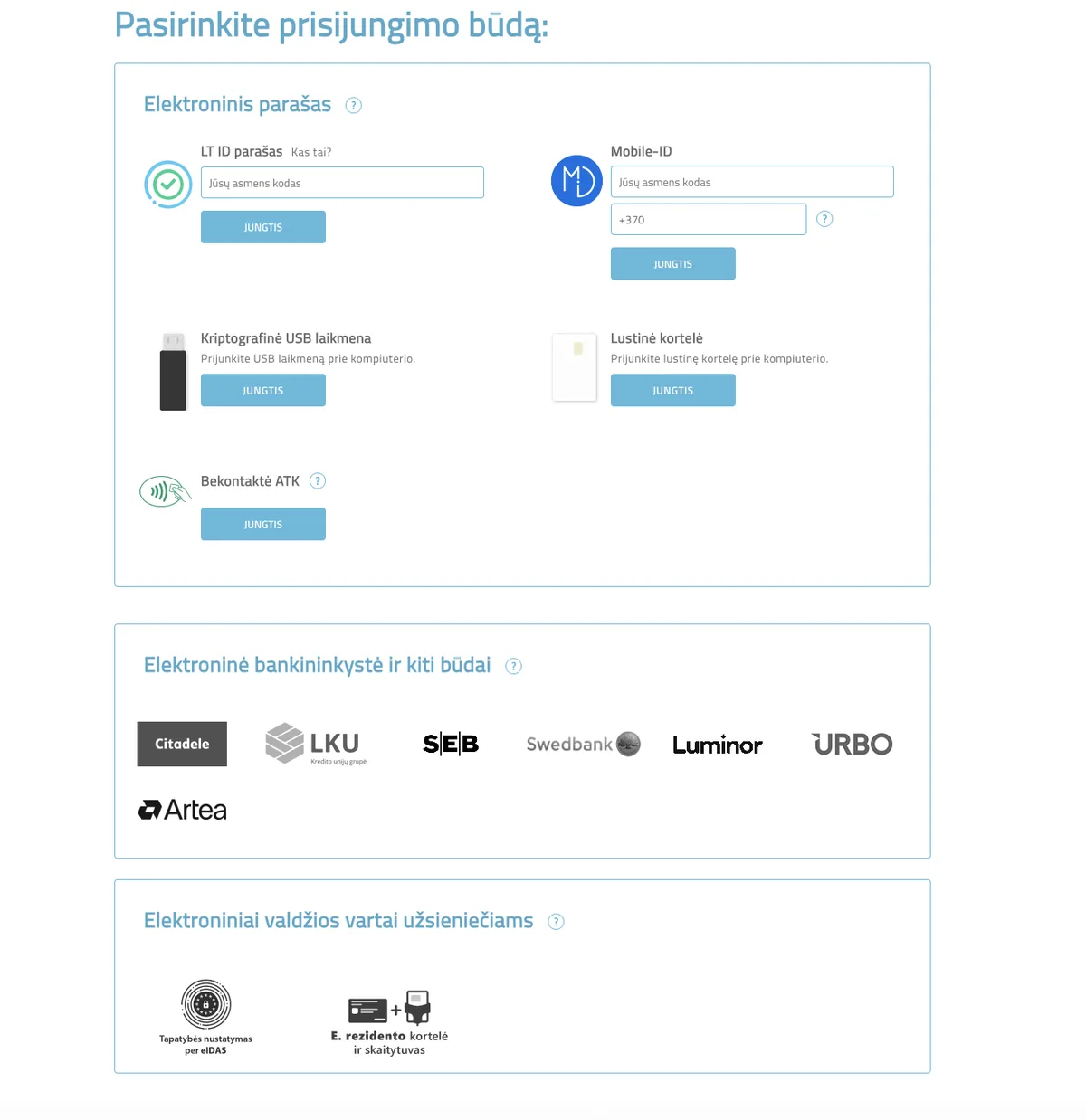
Under Article 25 of Lithuania’s AML framework, amended in July 2024, all persons can access UBO information after registration with the registrar, authentication, and payment of a fee.
The Kyckr team tried to access Lithuania’s register on 20 August 2026, but we had to authenticate ourselves with either a national or EU-recognised ID. The same was true when we tried to order documents – we had to supply “recognised electronic signatures” (eIDAS).
Netherlands
What the law says: Access restricted to persons with a legitimate interest.
In practice: Access gated to EU residents.
In July 2025, the Dutch government legislated the opening of new access routes for persons with a legitimate interest, with Article 22a suggesting that “the Chamber shall inform the ultimate beneficial owner” if such a request is granted.
The Chamber of Commerce is slowly rolling out access to the register, in stages. As of August 2026, only Dutch obliged entities can access the register.
Foreign obliged entities can apply for access via legitimate interest access using the KVK portal, but this requires an eHerkenning account. This requires a BSN identity number, which in turn requires physically visiting one of their 17 offices in the Netherlands.
Level 4. The law lets you in, but only if you’re a resident of the country.
Only home firms and the authorities, or no route at all.
Portugal
What the law says: Access restricted to persons with a legitimate interest.
In practice: Access gated to Portuguese residents.
Portugal has legislated a legitimate interest access framework but doesn’t yet have a working mechanism for such access.
On 27 October 2025, the government transposed Article 74 by Decree-Law No. 115/2025, thereby ending public access to beneficial ownership information. However, the operational access procedure is left to a future ministerial order not yet issued.
We tried to access the register on August 6, but we had to present a Portuguese ID.
Greece
What the law says: Access restricted to persons with a legitimate interest.
In practice: Access gated to Greek residents.
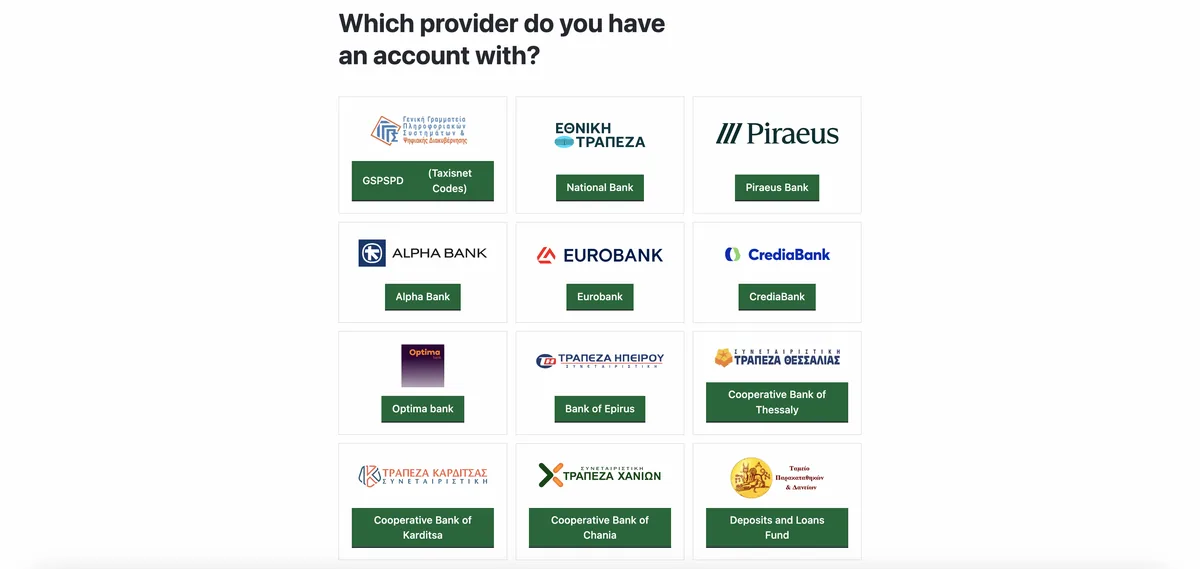
On 2 December 2025, Greece introduced Law 5259/2025, which opened access to persons with a legitimate interest (Section III, Part E).
Once granted, the requester receives the UBO’s surname, first name, month and year of birth, country of residence and nationality of the beneficial owner, as well as the type and extent of the rights they hold. Access to the deeper identifying data (full DOB, contact details, tax number) is granted by a prosecutor's order tied to AML/CTF purposes.
However, to prove your legitimate interest, you need a TaxisNet number, which is granted by the Greek tax authorities. Non-residents can get one, but only if they have a financial connection to Greece.
Level 5. The law lets you in, but there's no operational route for legitimate interest.
Cyprus
What the law says: Access restricted to persons with a legitimate interest.
In practice: No operational route yet.
In March 2026, the Cypriot government published Law N. 25(I)/2026, an amendment to its AML framework that enables “persons with a legitimate interest” to access beneficial ownership information.
However, guidance on the register’s website remains unchanged as of 19 August 2026. It appears that there is no viable legitimate interest access route.
Level 6. Restricted to national obliged entities and competent authorities.
Slovakia
What the law says: Access restricted to national obliged entities and competent authorities.
In practice: No legitimate interest access route.
Slovakia’s register can only be accessed by competent authorities and national obliged entities. However, a Slovakian law firm has claimed that an amendment is being drawn up by the government to allow for access via legitimate interest.
However, beneficial ownership information is available on a separate register for Slovakian public sector partners.
Level 7. Shut for now.
The register does not work for anyone.
Italy
What the law says: Access restricted to persons with a legitimate interest.
In practice: The register is suspended.
Italy’s beneficial ownership register has been closed since 2024, following multiple legal disputes between the legislature and judiciary.
However, the legitimate interest access route is already legislated, and the register is expected to reopen once the Council of State formally revokes the suspension.
Have they missed the deadline?
EU Member States had to transpose “the relevant provisions” (Articles 11, 12, 13 and 15) by the 10 July 2026 deadline. That means:
All categories of persons with a legitimate interest should be able to access beneficial ownership information.
Once verified, each Member State registrar should issue a 3-year certificate, enabling repeated access.
That deadline has already passed, and eighteen Member States haven't told the Commission they've met it.
In September 2026, the Commission sent letters of formal notice to Belgium, Bulgaria, Czechia, Germany, Estonia, Greece, Spain, France, Croatia, Cyprus, Lithuania, Luxembourg, the Netherlands, Austria, Poland, Portugal, Romania and Finland. A letter means a country hasn't notified full transposition. It may still have passed a law. Each has two months to finish and notify, or the Commission may issue a reasoned opinion.
The following deadline is 10 November 2026.
Member State registers must verify an applicant’s legitimate interest and “provide a response to the applicant within 12 working days”.
In the event of high demand for requests, “that deadline may be extended by an additional 12 days.”
All requests, once the LIA person has been verified and issued “a certificate granting access for 3 years”, the registers must respond to their subsequent requests “within 7 days”.
The final deadline is 10 July 2027, when all “laws, regulations and administrative provisions necessary to comply with this Directive” have been fully “brought into force”.
The law does not reflect the operational reality
Kyckr’s research suggests that just twelve out of twenty-seven beneficial ownership registers in the European Union are operationally accessible for non-EU compliance teams, contrary to the EU Commission’s directive.
The problem is operational, not legislative. The vast majority of Member States have complied with the Directive, making it lawful for persons with a legitimate interest to access beneficial ownership information. However, they have made it operationally impossible for third-country obliged entities, journalists, and other persons with a legitimate interest as recognised under the Directive, to access that information.
Is there a workaround?
Kyckr provides a lawful gateway for obliged entities to access beneficial registers in the EU. After Kyckr authorises their legitimate interest, compliance teams can retrieve UBO data live from official sources either via API or online portal.
For beneficial ownership registers that are practically closed to outsiders, Kyckr provides an ownership discovery tool that calculates beneficial owners from official shareholder records retrieved at the point of request, providing transparent, auditable evidence for every calculation.